 Fred has thousands of miles of cycling under his belt.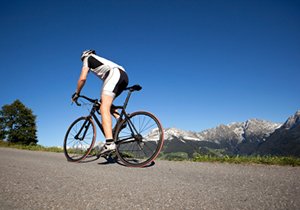

 1620 5th Avenue
Bike Safety Skills and Bicycling Tips
San Diego Bike Accident Lawyer on Riding Skills to Improve Your Bike Safety
Part of the fun of biking in the bicycle friendly community of San Diego is that is can give you the opportunity to continually work on developing your bike riding skills. There is no better place to start than by focusing on the basics of developing a solid center for your body. This will not only help to develop better balance, which is essential for dealing with emergencies and avoiding serious bicycle injuries, having the proper bike balance can also help lessen the impact on your spine, neck, shoulders and buttocks because your legs absorb the road vibrations.
Our San Diego bike safety lawyer Joshua Bonnici is not only an experienced attorney, he is also a avid cyclist. He frequently represents injured cyclists in bicycle accident claims. He knows the importance of having a quick reaction time while biking in San Diego to avoid accidents with negligent drivers. He created this site to act as a resource for all California cyclists to learn important bike safety tips as well as their legal rights following a San Diego bike accident. If you or a loved one has been involved in a crash and needs knowledgeable guidance of the next steps to take, reach out to our San Diego bike accident lawyer to schedule a free review of what happened to educate you of your potential claim
Bike Safety Tip #1) Proper Body Position When Biking
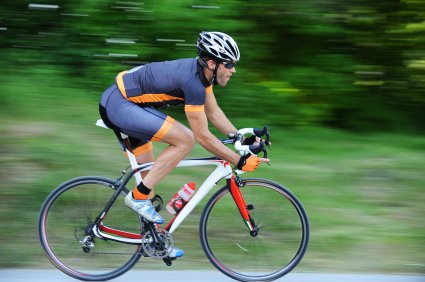
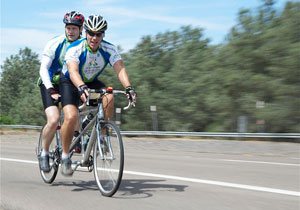
Generally, your feet should be level on the bike pedals. Set the pedals at 3 and 9 o’clock on the stroke, except when making tight turns. This position helps balance your body and gives you flexibility to shift your weight back and forth or side to side. Maintain a 45-degree bend in your back, which may be relaxed or refined more depending on the type of bike you are riding.
Line your chin up with the top tube. With eyes level, look straight ahead. Flex your elbows at a 90-degree angle and relax your shoulders. Bend your knees 30 to 50-degrees. Remain seated except when maneuvering over uneven terrain. Lift off the seat a few inches when navigating rough landscape. This allows your legs to function as shock absorbers. Grip the handlebars with both hands, but in a relaxed, firm manner. Keep your thumbs under the handlebars. Keep your wrist straight and alternate hand positions.
Bike Safety Tip #2) How to Find Your Bike Riding Center Point
Find a roadway, preferably one that is paved and with a slight incline, where you can safely put these tips into practice while adhering to California bicycle laws and while you are using the proper cycling gear and equipment, such as a helmet. Start coasting from the top of the road. Stand up on the pedals and carefully shift your weight forward. Notice the change in your center of balance. Now, try shifting your weight back and pay attention to the shift in your balance. Practice shifting your weight less and less, from side to side and back and forth. Each time, “feel” for your center.
If you need to stop suddenly, such as in the event of maneuvering around a roadway obstacle or to prevent your involvement in a bicycle accident, moving your center of gravity down and back can help. You can practice this by moving your hips back in the saddle and applying the rear brakes more firmly then the front brakes. You can lower the center of gravity even more by moving your hips behind and below the saddle. (Be sure to practice this in a safe area!) Resist the urge to clamp down on the front brake first. It could catapult you over the front handlebars, especially in a high speed decent, which can result in severe head and back injuries.
It is easier to find your center when standing because your higher center of gravity gives your body more leverage. Try the same exercises from a sitting position. Understand that finding your center is a continuous activity. Your center point changes from second to second because of the many variables that affects this “region,” including the weather, the lunch you eat or whether you are climbing or coasting. Practice and repetition of the above bike riding skills will ensure that establishing your “center” becomes second nature.
Bike Safety Tip #3) Know Your Legal Rights as a San Diego Cyclist
San Diego bike accident lawyer Joshua Bonnici is a dedicated cyclist who frequently commutes to his law office on his bike. If you have questions about a San Diego bike accident, contact our California bicycle law firm to arrange a free consultation.
 Call Today


 1620 5th Avenue,