 Fred has thousands of miles of cycling under his belt.





 1620 5th Avenue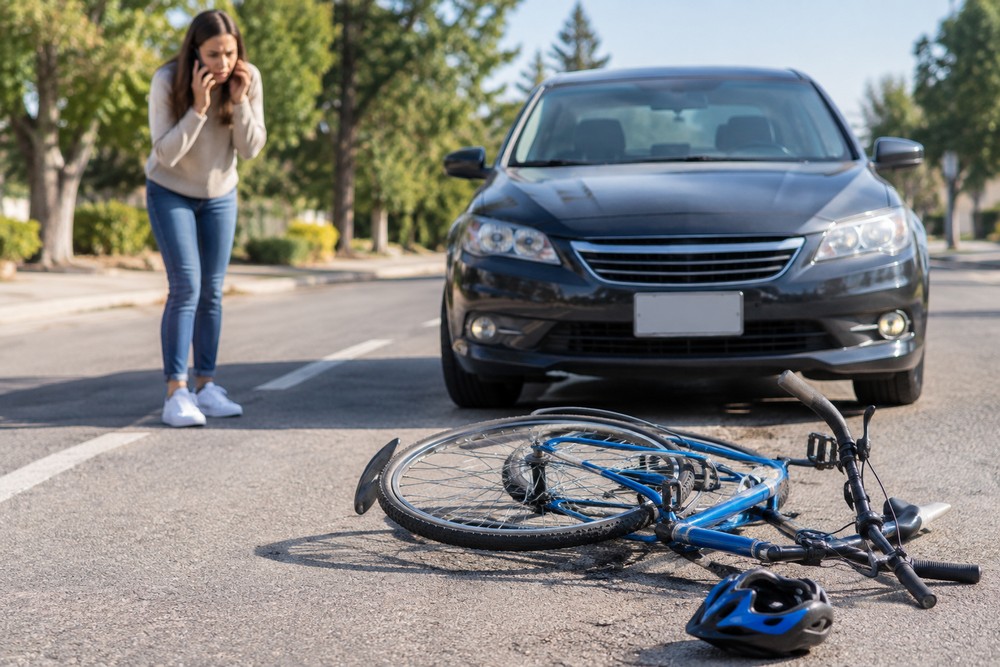
A bicycle accident can happen in only a few seconds, leaving you trying to understand what caused the collision. You may remember some details clearly, but pain, shock, traffic, and the confusion immediately after a crash can make it difficult to recall everything. Witnesses can provide another account of what happened before, during, and immediately after the accident. A person who saw the collision may have observed the driver’s actions, traffic conditions, road position, or other details that you could not see yourself. This information can become useful when there is a disagreement about who caused the accident. If you were injured because another driver failed to yield, turned into your path, drove distracted, or otherwise acted negligently, witness statements may help support your account. After an accident, prioritize your safety and medical care. If it is safe to do so, obtain the names and contact information of people who witnessed the collision. You can also take photographs of the scene and preserve other available evidence. If you have questions about how witness information may affect your injury claim, consider speaking with Bonnici Law Group.
What a Witness May Have Seen
A witness may notice important details that are difficult for you to observe from your position on the bicycle. Someone standing near an intersection may have seen whether a driver stopped at a traffic signal, yielded before turning, or entered the roadway when you had the right of way. Another witness may have noticed the driver’s speed, position, use of a turn signal, or actions immediately before the collision. Witnesses may also observe what happened after impact, including whether the driver remained at the scene or what statements were made immediately afterward. Their observations can provide additional information when combined with photographs, police reports, medical records, and other evidence. A witness does not need to know every detail of the accident to provide useful information. What matters is what the person actually saw or heard. You should avoid asking a witness to change or exaggerate their account. Instead, preserve the person’s contact information and allow the witness to describe the events in their own words. If you are unsure how to handle witness information after a bicycle crash, getting legal guidance can help you protect important evidence while you focus on recovering from your injuries.
Getting Witness Information After the Crash
If you are physically able and the accident scene is safe, collecting witness information soon after the collision can be helpful. Ask witnesses for their names and reliable contact information. If someone is willing to provide a written account, preserve it without changing the person’s description of what happened. You can also make a note of where each witness was standing and what they said they observed. This information may become more difficult to obtain later if witnesses leave the area or have trouble remembering the details of the crash. Police officers may also speak with witnesses and include relevant information in an accident report. If you have a serious injury, however, do not put yourself at risk by remaining at the scene simply to collect evidence. Your health should come first. Photographs of the roadway, traffic signals, vehicle position, bicycle damage, and surrounding area can also help preserve information about the collision. Keep these materials with your medical records, repair estimates, bills, and other accident documents. If you need assistance determining what evidence may support your bicycle accident claim, contact Bonnici Law Group to discuss your situation.
Witness Statements Can Support Other Evidence
A witness statement is only one part of a bicycle accident injury claim. Your case may also involve medical records, photographs, police reports, vehicle damage, bicycle damage, surveillance footage, traffic information, and other evidence. When these pieces of information are consistent, they can help provide a clearer account of how the accident occurred and how it affected you. For example, a witness may describe a driver’s movement through an intersection while photographs show the location of the damaged bicycle and vehicle. Your medical records can then document the injuries you experienced after the collision. Keeping your evidence organized can make it easier to explain what happened and document the losses you experienced. You should also avoid posting detailed accounts of your accident on social media, especially when an insurance claim is pending. Statements or photographs shared online may be viewed outside their original context. If an insurance company questions how the accident happened or disputes responsibility, witness information may become particularly important. You can speak with an attorney before providing extensive statements or agreeing to a settlement so you understand how the evidence may affect your claim.
Get Legal Help With Your Bicycle Accident Claim
A bicycle accident can leave you dealing with painful injuries, medical expenses, lost income, bicycle damage, and uncertainty about what happens next. If another person’s negligence caused the collision, witness statements may provide valuable information about what led up to the crash. You should preserve witness contact information and other evidence as soon as reasonably possible while continuing to focus on your medical recovery. At Bonnici Law Group, you can discuss the details of your bicycle accident and learn more about the legal options available to you. If you have been injured in a California bicycle accident and witnesses may have information about what happened, call Bonnici Law Group at (619) 870-0181 to discuss your situation. Experienced legal representation may help you understand your rights, evaluate the evidence connected to your accident, and pursue compensation for your injuries and related losses.
 Call Today


 1620 5th Avenue,