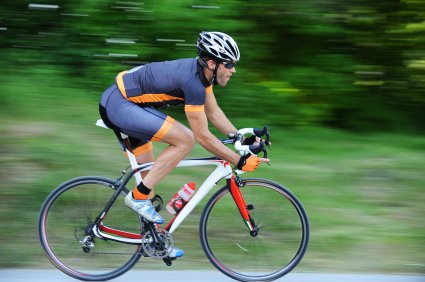
 Fred has thousands of miles of cycling under his belt.


 1620 5th Avenue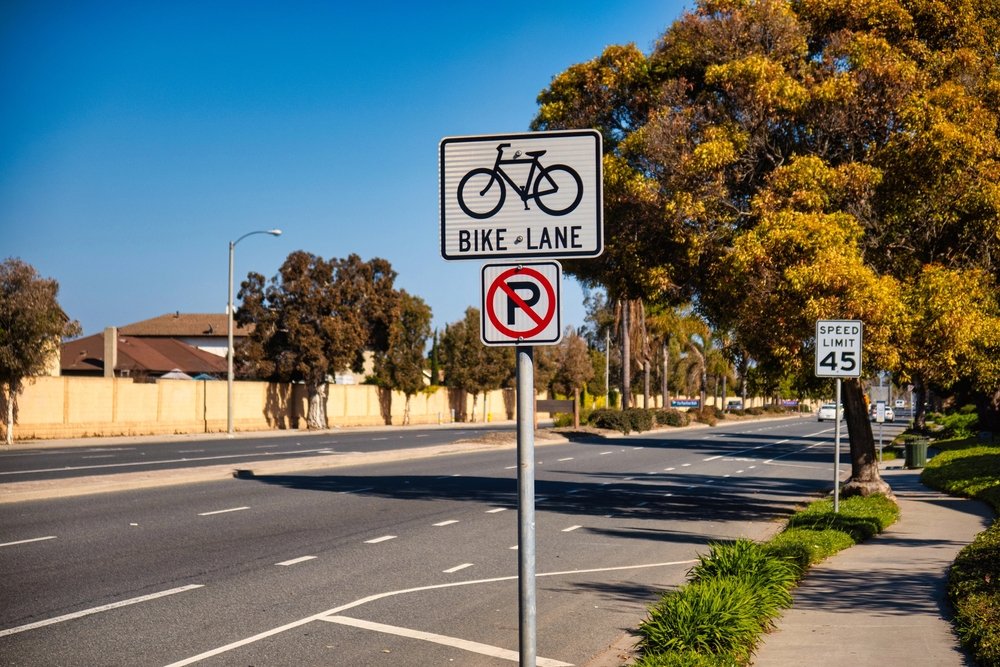
Bike lanes are designed to give you a dedicated space on the road, helping separate bicycle traffic from motor vehicles and encouraging safer travel throughout California communities. While these designated lanes can reduce certain risks, they do not eliminate the possibility of accidents. Every day, cyclists encounter hazards that can quickly turn a routine ride into a dangerous situation. From distracted drivers to poorly maintained road conditions, bike lane collisions continue to cause serious injuries for riders of all ages and experience levels. As more people choose cycling for transportation, recreation, and fitness, understanding the risks associated with bike lanes becomes increasingly important. Awareness of common accident causes allows you to make informed decisions while riding and helps you recognize situations that require extra caution. Whether you commute through busy urban streets or enjoy weekend rides in quieter neighborhoods, recognizing potential dangers can play a significant role in preventing collisions and protecting your well-being.
Driver Inattention and Unsafe Vehicle Maneuvers
One of the leading causes of bike lane collisions involves drivers who fail to pay adequate attention to nearby cyclists. Distracted driving continues to create dangerous conditions, especially when motorists focus on mobile devices, navigation systems, passengers, or other distractions instead of the road. A driver who is not fully attentive may drift into a bike lane, fail to notice a cyclist approaching an intersection, or make an unexpected turn directly into a rider’s path. Dooring incidents also present a serious threat when occupants of parked vehicles open their doors without checking for approaching bicycles. These sudden obstacles often leave you with little time or space to react safely. In addition, unsafe lane changes and failure to yield can place cyclists in immediate danger. Because bicycles are smaller and less visible than passenger vehicles, some drivers underestimate their presence or speed. Remaining alert to surrounding traffic and anticipating potential driver errors can help reduce your exposure to these common hazards while traveling in designated bike lanes.
Road Conditions and Infrastructure Challenges
Even when drivers act responsibly, poor road conditions can create significant safety concerns for cyclists. Bike lanes frequently contain hazards that may not affect larger vehicles but can pose serious risks to bicycle riders. Potholes, cracked pavement, loose gravel, standing water, uneven surfaces, and debris can cause sudden loss of control, particularly when you are traveling at higher speeds. Construction zones may also force cyclists into traffic lanes or create confusing detours that increase collision risks. In some locations, bike lanes are poorly marked, abruptly end, or provide insufficient separation from vehicle traffic. These infrastructure shortcomings can lead to uncertainty among both cyclists and drivers, increasing the likelihood of accidents. Visibility issues caused by parked cars, overgrown vegetation, or inadequate lighting can further complicate safe travel. When riding, regularly scanning the roadway ahead and adjusting your speed to accommodate changing conditions can help you respond more effectively to unexpected obstacles and reduce the chance of a crash.
Intersections and High-Risk Conflict Areas
Many bicycle accidents occur where bike lanes intersect with vehicle traffic, making intersections some of the most hazardous areas for cyclists. Drivers turning left or right often focus on other vehicles while overlooking bicycles approaching within designated lanes. Right-hook accidents occur when a motorist turns across a cyclist’s path, while left-turn collisions can happen when drivers misjudge a rider’s speed or fail to notice them altogether. Traffic signals, stop signs, and crosswalks introduce additional points of conflict that require constant attention from everyone sharing the road. Even when you have the legal right-of-way, assumptions about what another road user will do can lead to dangerous outcomes. Busy commercial districts, school zones, and heavily traveled intersections often present the greatest challenges because of increased traffic volume and frequent turning movements. Developing defensive riding habits, maintaining visibility, and approaching intersections with caution can help you better anticipate potential dangers and respond appropriately when conditions change unexpectedly.
Understanding Your Rights After a Bike Lane Collision
A bicycle accident can leave you facing physical injuries, emotional stress, lost income, and mounting medical expenses. If a negligent driver, unsafe roadway condition, or another preventable factor contributed to your collision, understanding your legal rights is an important part of the recovery process. Documenting the accident scene, seeking medical attention, gathering witness information, and preserving evidence can help support a potential claim. At Bonnici Law Group, your dedication to safe cycling is backed by a team committed to helping you understand your options after a bike lane accident. If you have suffered injuries due to another party’s negligence, experienced legal guidance can help you pursue accountability and seek compensation for the losses you have experienced. Call (619) 870-0181 to discuss your situation and learn how knowledgeable legal representation can help you move forward while protecting your interests throughout the claims process.
 Call Today


 1620 5th Avenue,