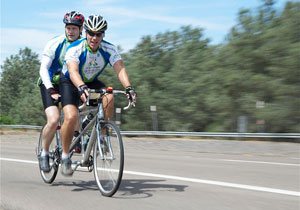
 Fred has thousands of miles of cycling under his belt.





 1620 5th Avenue
When you ride a bicycle in California, wearing a helmet is one of the most important choices you can make to reduce the risk of serious injury. While state law requires helmets for riders under 18, many adults also choose to wear them because of the added protection they provide. In the event of an accident, helmet use becomes more than just a safety decision—it can influence how your injuries are viewed and evaluated. Head injuries are often among the most severe outcomes of bicycle crashes, and whether or not you were wearing a helmet may be considered when assessing the extent of harm. By understanding how helmet use fits into the bigger picture, you can better prepare for how your actions may be interpreted after an incident.
How Helmet Use May Influence Liability and Injury Evaluation
After a bicycle accident, insurance companies and legal representatives often examine the details of the incident closely, including whether you were wearing a helmet at the time. If you suffered a head injury and were not wearing one, the opposing side may argue that your injuries could have been less severe with proper protection. This does not automatically mean you are responsible for the accident, but it can affect how damages are calculated. On the other hand, if you were wearing a helmet, it may strengthen your position by showing that you took reasonable steps to protect yourself. These details can shape how fault and compensation are discussed, making helmet use a relevant factor in the overall evaluation of your claim.
The Impact of Comparative Negligence on Your Claim
California follows a comparative negligence system, which means your compensation can be adjusted based on your level of responsibility for the injuries you sustained. If it is determined that not wearing a helmet contributed to the severity of your injuries, a percentage of fault may be assigned to you. For example, even if a driver caused the accident, your compensation might be reduced if your injuries could have been minimized with a helmet. This approach allows claims to reflect the shared responsibility that sometimes exists in real-world situations. Understanding this system helps you see how personal safety choices, including helmet use, may affect the outcome of your case.
Using Evidence to Support Your Injury Claim
Strong evidence is essential when pursuing compensation after a bicycle accident, and helmet use can become part of that evidence. Medical records, accident reports, and expert opinions may all be used to determine how your injuries occurred and whether a helmet would have made a difference. If you were wearing a helmet, documentation such as photos or witness statements can help confirm that detail and support your claim. If you were not wearing one, your legal team may work to show that the injuries you sustained were primarily caused by the impact itself rather than the absence of protective gear. Presenting clear and accurate information allows your case to be evaluated more fairly and ensures that all relevant factors are considered.
Moving Forward with Confidence and the Right Support
After experiencing a bicycle accident, taking the right steps can help you protect both your well-being and your legal rights. By documenting road hazards and understanding how they affect your claim, you put yourself in a better position to seek fair compensation for your losses. Having knowledgeable legal guidance can also help you identify all possible sources of liability and ensure that no critical details are overlooked. At Bonnici Law Group, your focus on safety and accountability is matched by a commitment to stand up for your rights as a cyclist. Reach out today at (619) 870-0181 to receive dependable legal support tailored to your situation and take the next step toward resolving your claim with confidence.
 Call Today


 1620 5th Avenue,