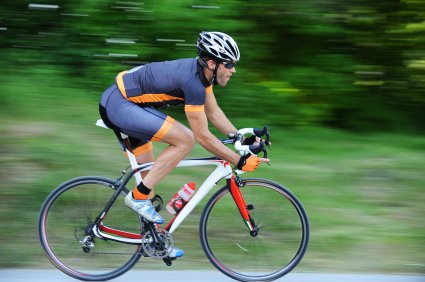
 Fred has thousands of miles of cycling under his belt.



 1620 5th Avenue
When you ride an electric bicycle in California, you are not just hopping on a faster version of a traditional bike. You are operating a vehicle that falls into a specific legal category, and that category directly affects where you can ride. California law divides e-bikes into three classes based on how the motor assists you and the maximum assisted speed. If you do not understand these distinctions, you could unknowingly violate local rules or place yourself in unsafe situations.
Class 1 e-bikes provide pedal-assist only and stop assisting at 20 miles per hour. Class 2 e-bikes have a throttle that allows them to be ridden without pedaling, and they are limited to 20 miles per hour. Class 3 e-bikes offer pedal-assist up to 28 miles per hour and often come with stricter requirements, including a minimum rider age and helmet use. Each class carries different permissions and restrictions. When you know which class your e-bike falls into, you can make informed decisions about bike lanes, multi-use paths, and trails. Understanding these classifications helps you stay compliant with the law and reduces the risk of citations or disputes after an accident.
Where You Can Ride Depends on Your E-Bike Class
Your e-bike class determines whether you can use bike paths, trails, and certain roadways. In general, Class 1 and Class 2 e-bikes are allowed on most bike paths and multi-use trails unless a local ordinance says otherwise. However, Class 3 e-bikes often face additional limitations. Many cities restrict Class 3 e-bikes from certain shared-use paths because of their higher assisted speed. If you assume all e-bikes have identical access, you could unintentionally ride where your bike is not permitted.
Local governments have the authority to adopt specific rules for trails and recreational paths. That means regulations may vary from one city to another. Before riding on a beach path, park trail, or mountain route, you should check posted signage and municipal codes. Riding in an unauthorized area can lead to fines and affect liability if a collision occurs. If you are injured while riding in a prohibited location, insurance companies may attempt to argue that you contributed to the incident. By knowing where your specific e-bike class is allowed, you reduce confusion and strengthen your position should a legal issue arise.
Speed, Safety, and Shared Responsibility on the Road
E-bike class rules are not just technical distinctions; they reflect real differences in speed and safety. A Class 3 e-bike traveling up to 28 miles per hour moves significantly faster than many traditional cyclists. When you ride at higher speeds in bike lanes or near pedestrians, your stopping distance increases, and reaction time becomes more critical. Lawmakers created separate classifications to address these differences and balance access with public safety.
You share the road with cars, pedestrians, and other cyclists. If you ride a higher-speed e-bike in an area designed for slower traffic, you increase the likelihood of conflict. Following class-based rules helps maintain a predictable traffic flow. When drivers and pedestrians understand what to expect from cyclists in certain spaces, everyone benefits. Wearing appropriate safety gear, using lights, and signaling clearly are also important steps you can take. Compliance with class regulations demonstrates that you are riding responsibly, which may become important evidence if you are ever involved in a crash.
Legal Consequences of Ignoring E-Bike Class Restrictions
If you ignore e-bike class restrictions, the consequences can extend beyond a simple citation. For example, if you operate a Class 3 e-bike on a path where it is prohibited and collide with a pedestrian, opposing parties may argue that you were riding unlawfully. That claim could affect fault determinations and reduce the compensation you might otherwise recover. Even when another party shares responsibility, your location and compliance with the law can influence how insurers and courts evaluate the situation.
You should also be aware that helmet requirements differ by class. Riders of Class 3 e-bikes must wear helmets, and there may be age restrictions for operation. Failing to follow these rules could be used to question your credibility or decision-making after an incident. While California treats e-bikes differently from motorcycles, they are still subject to defined legal standards. Staying informed about those standards protects more than just your riding privileges. It helps preserve your rights if you are injured and need to pursue a claim for damages.
Protecting Your Rights as an E-Bike Rider in California
As e-bikes continue to grow in popularity, questions about where you can ride and how laws apply will become more common. You have the right to enjoy the convenience and efficiency of your electric bicycle, but that right comes with responsibilities. By understanding your e-bike’s class, confirming where it is permitted, and following local rules, you reduce the risk of preventable accidents and legal disputes. A clear understanding of the law empowers you to ride confidently and responsibly throughout California.
We are committed to promoting cyclist safety and advocating for your rights on the road. If you have questions about e-bike regulations or have been involved in an accident, you deserve guidance you can trust. At Bonnici Law Group, we are dedicated to promoting cyclist safety and advocating for your rights on the road. Call us today at (619) 870-0181 for trusted legal support.
 Call Today


 1620 5th Avenue,