 Fred has thousands of miles of cycling under his belt.

 1620 5th Avenue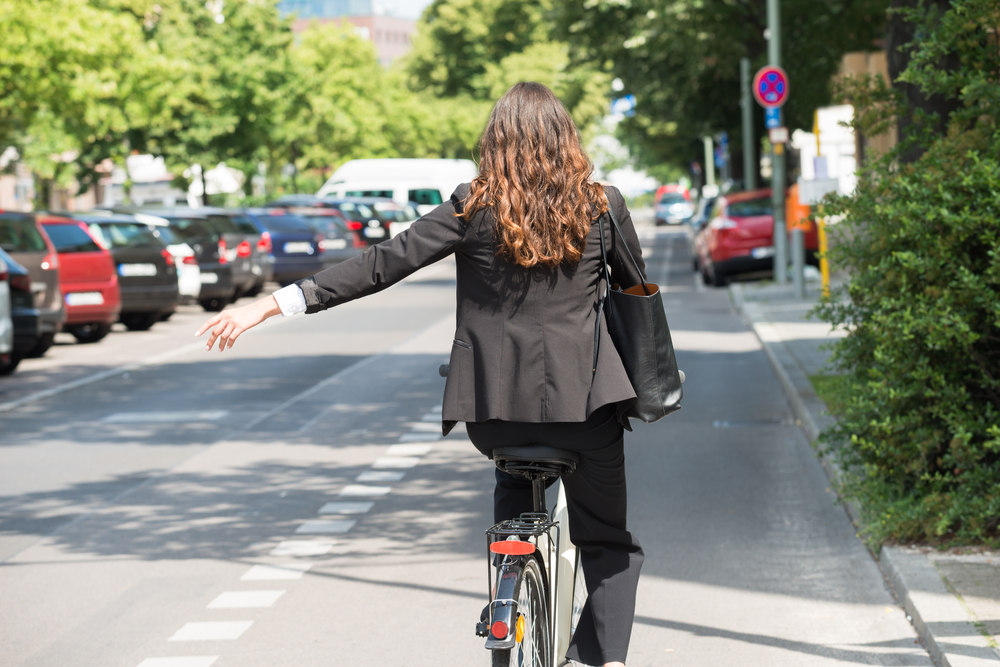
When you approach an intersection on your bicycle, you enter one of the most dangerous points on the road. Vehicles may turn left across your path, turn right without checking their mirrors, or accelerate through a yellow light. Drivers often focus on other cars and fail to notice cyclists, especially if you are riding close to the curb or blending into the background. Because of this, you cannot rely on others to automatically see you. You must take intentional steps to make yourself visible and predictable.
Intersections combine multiple movements at once. Cars merge, pedestrians cross, traffic lights change, and turning vehicles create blind spots. Even if you have the right of way, visibility determines your safety. You increase your protection when you communicate clearly and position yourself where drivers expect to see traffic. By understanding how to use hand signals and lane positioning together, you create clarity in a space where confusion often leads to collisions. Your actions at intersections should send a clear message about where you are going and what you intend to do next.
Mastering Hand Signals to Communicate Your Intentions
Hand signals are one of your most powerful tools for preventing crashes. When you extend your arm to indicate a left or right turn, you remove guesswork from the equation. Drivers can anticipate your movement instead of reacting at the last second. To signal a left turn, extend your left arm straight out horizontally. To signal a right turn, extend your right arm straight out or raise your left arm bent upward at a ninety-degree angle. To signal a stop, extend your left arm downward with your palm facing back. These signals may seem simple, but they play a crucial role in preventing misunderstandings.
Timing matters just as much as the signal itself. You should signal early enough for drivers to notice and process your movement, but not so early that they forget your intention before you act. Maintain your signal for several seconds, then return your hands to the handlebars to maintain control. If traffic is heavy, make eye contact with drivers when possible to confirm they see you. Consistent signaling builds predictability. When drivers understand what you plan to do, they are less likely to cut you off or turn into your path. Clear communication reduces sudden movements, which are often the cause of serious intersection collisions.
Positioning Yourself Where Drivers Can See You
Lane positioning is just as important as signaling. If you ride too close to the curb at an intersection, you may disappear into a driver’s blind spot. Instead, position yourself where you are clearly visible in the lane. When traveling straight through an intersection, ride in a straight, steady line that aligns with vehicle traffic rather than weaving between parked cars and moving vehicles. This makes your presence more obvious and discourages drivers from attempting unsafe passes.
If you plan to turn left, merge into the appropriate lane when it is safe. Use your hand signal to indicate your intention, check over your shoulder for traffic, and move into position early. Avoid waiting until the last moment, as sudden shifts increase your risk. For right turns, position yourself to the right side of the lane without hugging the curb so tightly that drivers misjudge your path. By occupying space confidently and legally, you send a clear message that you belong on the road. Proper positioning reduces the likelihood that a driver will underestimate your speed or fail to account for your presence.
Combining Visibility, Confidence, and Awareness
Using hand signals and lane positioning together creates a powerful safety strategy. However, visibility goes beyond gestures and placement. Bright clothing, reflective gear, and front and rear lights improve your chances of being seen, especially during low-light conditions. Even during the day, lights can help you stand out in heavy traffic. Intersections often involve glare from the sun, tinted windows, and visual distractions, so anything that enhances contrast works in your favor.
Confidence also plays a role. When you ride hesitantly or unpredictably, drivers may misinterpret your intentions. A steady pace, clear signals, and deliberate positioning demonstrate that you understand traffic flow. At the same time, remain alert for drivers who may ignore signals or attempt risky maneuvers. Always scan left and right before entering an intersection, even if the light is green. Defensive riding does not mean surrendering your rights. It means preparing for the possibility that someone else may make a mistake. Your awareness, combined with clear communication, strengthens your ability to avoid sudden, preventable crashes.
Protecting Yourself Legally After an Intersection Collision
Even when you take every precaution, intersection crashes can still happen due to driver negligence. If you are struck at an intersection, your use of proper hand signals and lane positioning can become important evidence. Witnesses may confirm that you signaled clearly and rode predictably. Traffic camera footage may show that you were in the correct lane and had the right of way. These details can influence how fault is determined and whether you receive full compensation for your injuries.
After a crash, seek medical attention immediately and document the scene if you are able. Obtain witness information and ensure a police report is filed. Keep records of medical treatment, lost wages, and any communication with insurance companies. You deserve accountability when a driver fails to respect your presence at an intersection. At Bonnici Law Group, we are dedicated to promoting cyclist safety and advocating for your rights on the road. Call us today at (619) 870-0181 for trusted legal support.
 Call Today


 1620 5th Avenue,