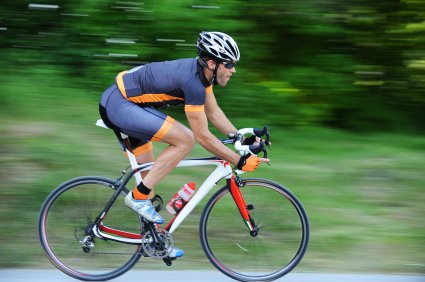
 Fred has thousands of miles of cycling under his belt.

 1620 5th Avenue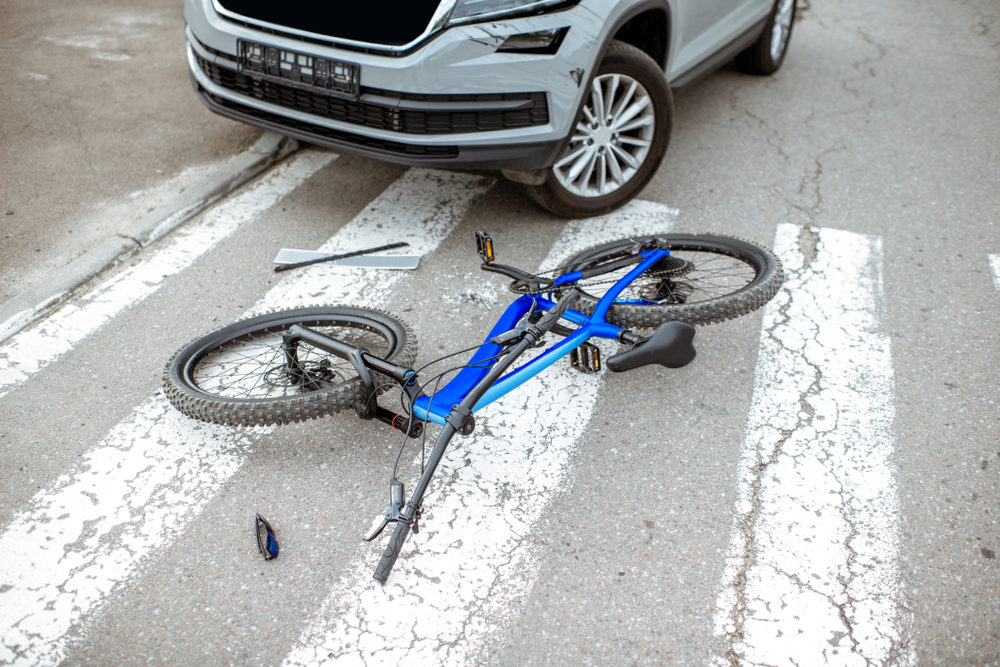
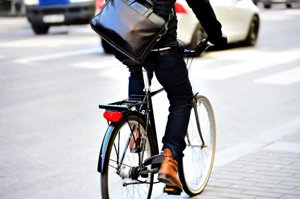
When you ride your bicycle near crosswalks and bike lanes in California, you may assume that the rules are clear to everyone on the road. Unfortunately, that assumption often leads to dangerous misunderstandings. Drivers and cyclists frequently interpret right-of-way laws differently, especially in busy urban areas where traffic signals, turning vehicles, and pedestrian crossings overlap. Even when the law appears straightforward, real-world situations create gray areas that cause hesitation, sudden stops, or aggressive maneuvers.
You might believe you automatically have the right of way if you are in a bike lane or crossing at a marked crosswalk. A driver, on the other hand, may think that your speed disqualifies you from pedestrian protections or that you must yield because you are not in a car. These conflicting assumptions create risk. The law often depends on specific circumstances, such as whether you are riding or walking your bike, whether traffic signals are present, and whether you are traveling in the correct direction. Without a shared understanding, split-second decisions can turn into serious collisions. Recognizing that confusion exists is the first step toward protecting yourself on the road.
Crosswalks and the Difference Between Riding and Walking
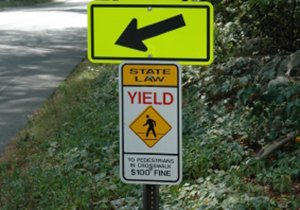
One of the most common misunderstandings occurs at crosswalks. As a cyclist, you may enter a crosswalk believing you are treated exactly like a pedestrian. In some situations, that is true. However, the law distinguishes between riding a bicycle through a crosswalk and walking. When you dismount and walk your bike, you are generally treated as a pedestrian and are entitled to pedestrian protections. When you remain mounted and ride through, your rights and responsibilities may shift depending on local rules and traffic conditions.
Drivers may not understand this distinction either. Some assume that cyclists never belong in crosswalks, while others stop abruptly even when you approach at high speed. If you enter a crosswalk without slowing, a driver may not have enough time to react. On the other hand, if you walk your bike and a driver fails to yield, that driver may clearly violate pedestrian right-of-way laws. These nuances often determine fault after a crash. To reduce confusion, you should slow down when approaching crosswalks, make eye contact with drivers when possible, and ensure you are visible before entering. Clear communication and controlled speed make it easier for others to respond appropriately.
Bike Lanes and Turning Vehicles
Bike lanes present another area where right-of-way misunderstandings are common. You may assume that because you are in a designated lane, drivers must always yield to you. In many situations, that is correct, especially when a driver crosses a bike lane to turn right. California law generally requires drivers to merge safely into the bike lane before turning and to yield to cyclists already traveling within it. However, drivers often fail to check blind spots or misjudge your speed.
Confusion increases when you approach an intersection at the same time as a vehicle preparing to turn. A driver may believe they have the right to turn because they signaled first or because they are ahead of you. If you attempt to pass on the right without anticipating that turn, you increase your risk. Clear lane positioning and early signaling can reduce the likelihood of conflict. When you anticipate that a driver might turn, adjust your speed and position to remain visible. Understanding that right-of-way laws still require shared responsibility helps you avoid relying solely on legal protections. Even when you technically have the right of way, defensive riding protects you from others’ mistakes.
The Role of Speed, Visibility, and Assumptions
Speed plays a significant role in right-of-way disputes. Drivers often estimate pedestrian speed when approaching crosswalks, but cyclists travel much faster. If you enter a crosswalk at high speed, a driver who looked both ways moments earlier may not expect you to appear so quickly. This mismatch between expectation and reality contributes to collisions. Similarly, in bike lanes, drivers may underestimate how quickly you are approaching from behind before turning across your path.
Visibility also influences misunderstandings. Parked cars, large vehicles, and poor lighting can obscure your presence. Even if you are legally entitled to proceed, a driver who does not see you cannot yield appropriately. Bright clothing, reflective gear, and front and rear lights improve your chances of being noticed. You should also avoid lingering in blind spots and maintain predictable movements. Sudden swerves or unexpected changes in direction make it harder for drivers to interpret your intentions. Many right-of-way conflicts arise not from intentional disregard but from misjudgment and limited visibility. By addressing these factors proactively, you reduce your exposure to preventable crashes.
Protecting Your Rights When Confusion Leads to a Crash
Despite your best efforts, misunderstandings about right-of-way can still result in serious injury. When a crash occurs at a crosswalk or bike lane, determining fault often requires careful analysis of traffic laws, witness statements, and physical evidence. Small details matter, including whether you were riding or walking your bike, whether signals were active, and how both parties positioned themselves before impact. Insurance companies may attempt to shift blame by arguing that you entered too quickly or failed to yield. Clear documentation and legal guidance become critical in these situations.
After any collision, seek medical attention immediately and report the incident to law enforcement. Gather contact information from witnesses and, if you are able, take photographs of the scene. Preserve evidence that supports your account of events. You should not assume that right-of-way confusion automatically makes you responsible. At Bonnici Law Group, we are dedicated to promoting cyclist safety and advocating for your rights on the road. Call us today at (619) 870-0181 for trusted legal support.
 Call Today


 1620 5th Avenue,